Trading in Pokemon GO can either cost almost nothing or eat your entire Stardust bank, depending on two things: how far apart you and your trading partner were standing when you caught each Pokemon, and your Friendship Level with them. Here’s how the costs and unlocks actually work, and why Lucky Pokemon are worth chasing.
How the Stardust cost is calculated
Every trade has a Stardust cost based on the distance between where each player originally caught their Pokemon — the further apart those two catch locations were, the more it costs. Trades between two Pokemon caught close together can cost as little as 100 Stardust, while trading something caught on the other side of the world can run up to 1,000,000 Stardust. Friendship Level reduces this cost significantly: the higher your Friendship Level with a trading partner, the cheaper every trade between you becomes, and at Best Friend level most distance-based costs drop to a small fraction of the base amount.
Friendship Levels and what they unlock
Friendship Level climbs by interacting with a friend daily — sending gifts, battling together in raids or the GO Battle League, and trading. It runs from Good Friend up through Great, Ultra, and finally Best Friend, which takes 90 days of consistent interaction to reach. Each tier unlocks lower Stardust costs and better bonuses when you battle or raid together, but Best Friend status is specifically what unlocks the Special Trade and the best odds at a Lucky Pokemon.
Special Trades — the one exception to the normal cost formula
Each pair of trainers gets exactly one Special Trade per day, available once you’ve reached at least Great Friend level. Special Trades are how you exchange Pokemon that normally can’t be traded through a regular trade — Legendary, Mythical, and shiny Pokemon among them — and they always carry a flat, fixed Stardust cost regardless of distance, which is usually far more forgiving than what a regular trade for the same Pokemon would cost. Because you only get one per day per friend, it’s worth saving it for whichever trade actually matters most that day.

Lucky Pokemon — the real reason to trade
Any Pokemon you trade has a chance to become Lucky, and that chance goes up the longer it’s been sitting in the other trainer’s account before the trade — older catches and Pokemon that have been sitting untraded for a long time are more likely to come out Lucky. A Lucky Pokemon gets a guaranteed high IV floor on every stat and costs noticeably less Stardust to power up, which makes trading one of the few reliable ways to fill out a strong IV Pokemon without relying purely on catch luck or a Research encounter.
Trade-evolution Pokemon still need a Best Friend
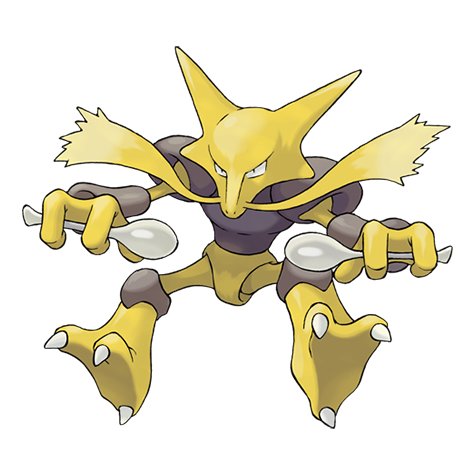
A handful of Pokemon — Machamp, Alakazam, Steelix and a few others — have an alternate evolution method that only works through trading. Evolving one of these mid-trade costs far less candy than the normal evolution path, but only if you and your trading partner are already Best Friends; below that level, the discount doesn’t apply and you’ll need the full candy amount instead.
What you can’t trade
Items never trade — Poke Balls, Potions, Revives, Incense, raid passes and Berries all stay with their original owner. On the Pokemon side, anything already traded once, Pokemon caught during a GO Fest or similar ticketed event with special trade restrictions, and most Mythical Pokemon obtained through Special Research are usually locked out of trading entirely. Shadow and Purified Pokemon can be traded, but a Shadow Pokemon keeps its Shadow status through the trade rather than being purified automatically.
A few tips for trading efficiently
Prioritize your daily Special Trade for whatever can’t be traded normally — a shiny, a Legendary, or a Pokemon you specifically want a Lucky version of. Trade with Best Friends whenever possible, since the Stardust savings are substantial at that tier. And if you’re specifically fishing for a Lucky Pokemon, trading older catches from deep in your storage gives noticeably better odds than trading something you caught five minutes ago.